Changing the textile industry with real solutions that add new value to waste, empowering circularity and traceability.

Textile sorting and recycling operations at Coleo

Impact

> 0 k
> 0 M

tons of waste managed since 2021.

garments with high percentage of textile-to-textile.

0
> 0

direct workplaces created for social inclusion.

employees.

Coleo Recycling

STEP 1 TO 4: WASTE VALORISATION

Collect

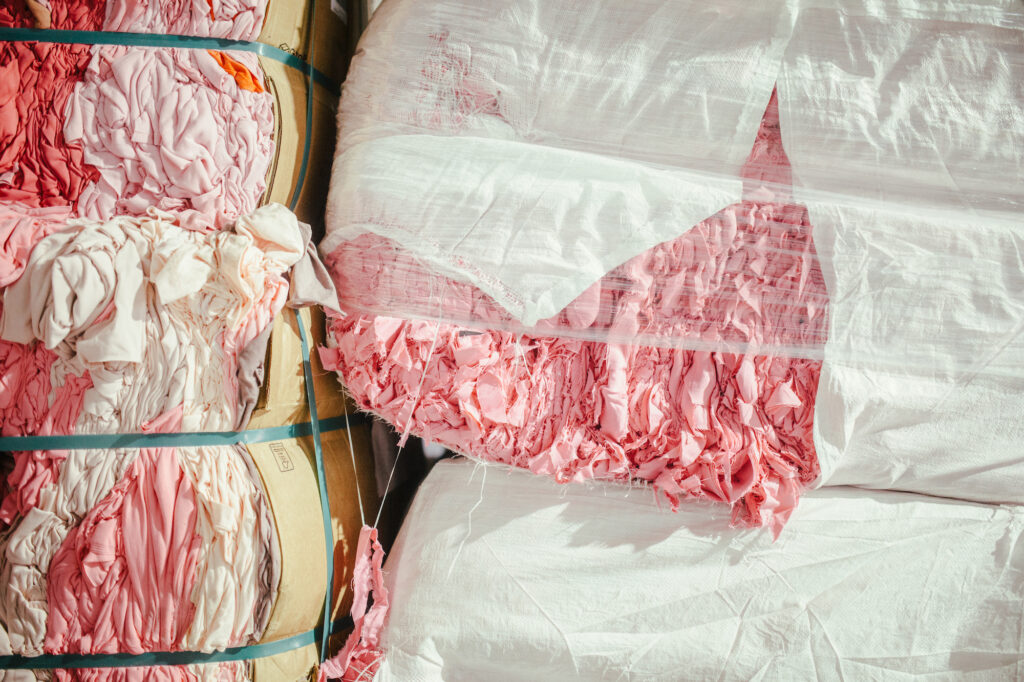
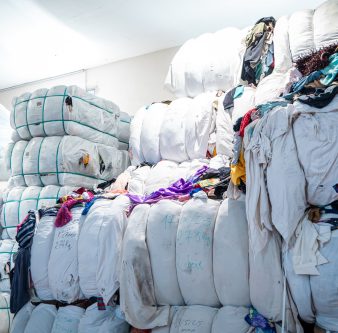
Fueled by the principles of Reduce, Reuse, Recycle, we manage discarded attire and production surpluses from a variety of sources – including households, manufacturers and retailers.

We breathe new life into textile waste, starting a circular journey where their paths are reimagined and traced, creating a second chance for each item.

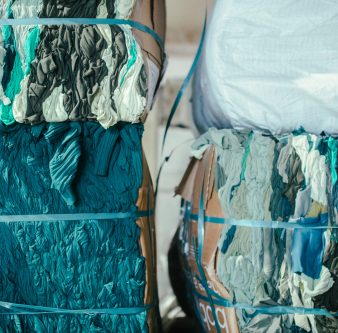
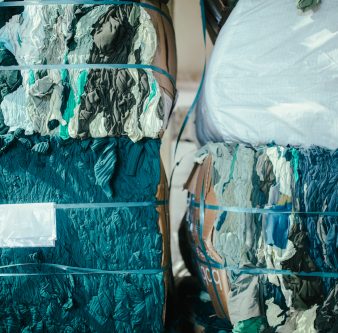
Fardos de residuos textiles en tonos verdes y azulados preparados para su reciclaje en planta de Coleo

Sorting

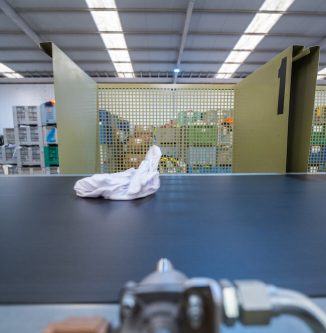
Artificial Intelligence is at the core of our textile sorting revolution. Since the opening of our first plant in 2020, we have been continuously improving our classification software by combining the power of vision technologies with other cutting-edge technological solutions. This advanced approach enables us to detect and categorise textile waste, allowing us to optimise it and prepare it for recycling across a wide variety of waste streams and compositions.  

Recycled textile fibres

Processing

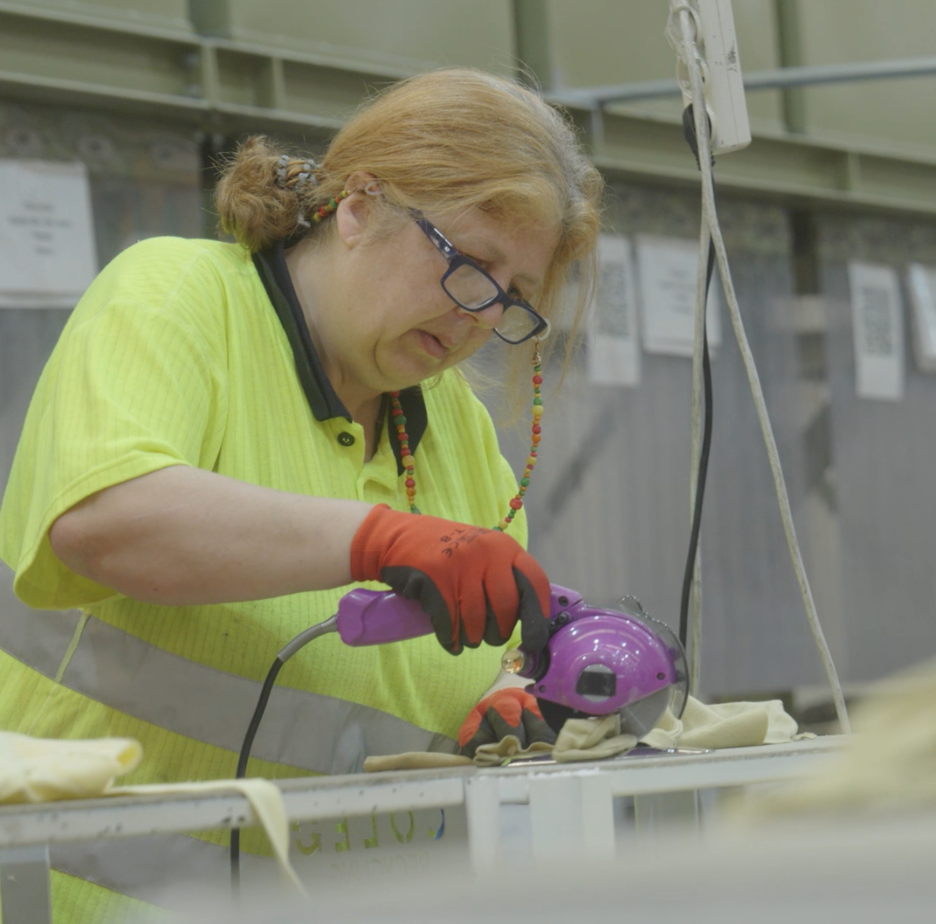
In our garment recycling process, we focus on unlocking and maximising their potential by carefully removing zippers, buttons, and other elements that could disrupt the recycling process. This step liberates the fabrics, making them ready for transformation into sustainable products. Additionally, as a Special Employment Center, we are committed to creating inclusive job opportunities and contributing to a meaningful economic and social model.

Woman with electric scissors cutting fabric at Coleo facility

Optimising Flows

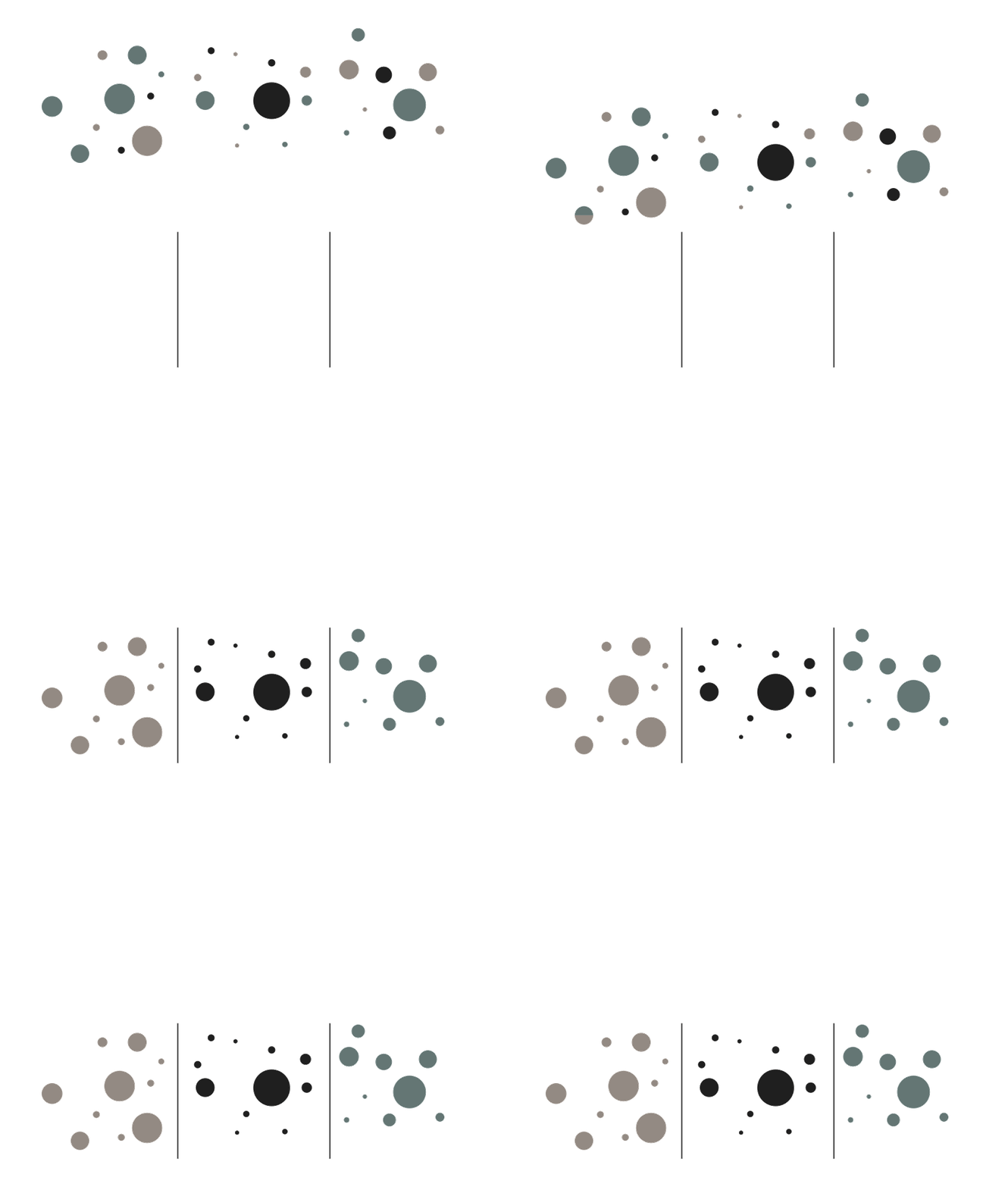
Our process focuses on material flow optimization, expertly managing diverse compositions to achieve efficiency and sustainability in our transformations. By streamlining fabric compositions, we pave the way for a balanced, circular future, maximising value while minimising environmental impacts. The better we sort, the better we recycle—elevating quality, enhancing value, and unlocking the true potential of sustainability.

Collect

Fueled by the principles of Reduce, Reuse, Recycle, we manage discarded attire and production surpluses from a variety of sources – including households, manufacturers and retailers.

We breathe new life into textile waste, starting a circular journey where their paths are reimagined and traced, creating a second chance for each item.

coleo collect

Sorting

Every textile is different, and finding the right next use starts with sorting.

We combine technology, data and human expertise to identify and separate garments according to their condition, type, composition and potential. Items suitable for reuse are prepared to extend their life, while the remaining textiles are sorted into the right streams for recycling.

People are essential to this process. Our sorting activities create inclusive employment opportunities, combining social impact with the transition towards a more circular textile industry.

ColeoCoruña_0023

Processing

Textiles that cannot be reused need to be carefully prepared before they can become raw materials again.

We remove zippers, buttons and other non-textile components and prepare materials according to the requirements of different recycling technologies and end uses.

This process also creates opportunities for inclusive employment. Working together with our Special Employment Centre in Galicia, we combine industrial textile preparation with meaningful employment and social impact.

Woman with electric scissors cutting fabric at Coleo facility

Material Flows

Circularity only works when recovered materials have a real destination.

We work closely with fashion brands, recyclers and industrial partners to connect available textile streams with the needs of the market. By understanding both the materials we manage and the requirements of our partners, we direct each flow towards the most suitable reuse or recycling solution.

As technologies, demand and markets evolve, we continuously adapt our processes and material flows to maximise their value and keep more textiles in circulation.

COLEO_recycling
Recycled yarn produced from textile waste

STEP 5

Fibre

Today, among our innovative revalorization methods, the mechanical process stands out as one of the best scalable solutions to minimise environmental impact. After meticulous sorting, our shredding technique revitalises the fabric, transforming it into fibres to create a new yarn.

Recycled yarn produced from textile waste

STEP 6

Yarn

Our threads are born from recycled textiles, while the colours are inherited from garments with a history. We try to avoid the dyeing process, letting the natural hues shine through. Our creations embrace authenticity, adding a touch of innovation to every stitch.
Recycled yarn produced from textile waste

STEP 7

Fabric

Our fabrics are crafted using these threads as the foundation, whether alone or blended with other recycled yarns, resulting in exceptional designs and top-notch quality. We fully integrate ecodesign principles into each stage, from conception to production. To support this commitment, we employ 3D software that enables us to visualise and optimise the product creation process, effectively reducing environmental impacts right from the start.
Recycled yarn produced from textile waste

STEP 8

Garment

We finally close the circle by designing, developing, and crafting finished garments for all kinds of textile industries.

Facilities

Coleo Source

Lavelanet

Sorting for reuse

France

Coleo Recycling

A Laracha

Sorting for Reuse & Recycling

Spain

Coleo Recycling

Pineda de Mar

Sorting for Recycling

Spain

Coleo Recycling

A Coruña

Sorting for Recycling

Spain

Coleo Recycling

Toulouse

Sorting for Recycling

Social Commitment

Unicef

View website

Special Employment Center

At our Special Employment Centre in Galicia, social inclusion is an integral part of our recycling operations. 85% of our workforce is made up of people with disabilities, creating meaningful employment opportunities within the circular textile industry.

Our teams mainly focus on preparing textile materials for recycling, carrying out essential processes that ensure they are ready for their next transformation.

By combining social inclusion with circularity, we create value for both people and materials.

Reuse & Social inclusion in France

In France, we combine textile reuse with social inclusion. Garments suitable for a second life are carefully sorted and prepared for reuse by our teams, creating employment opportunities for people who face barriers to accessing the labour market.

Today, our activities in France employ 60 people, 72% of whom are on employment-integration contracts.

Social impact

In the thriving world of textile recycling, there is immense potential for both sustainable transformation and economic and social impact. At Coleo, we have always championed the power of human collaboration, which is why we work closely with various organisations and communities to turn this industry into an opportunity for all. We believe in the intrinsic value of people, and together, we strive to make the textile recycling industry a catalyst for positive change.

Aspronaga

A remarkable success story that exemplifies our commitment to social impact: our collaboration with Aspronaga (Association for People with Intellectual Disabilities in Galicia), an organisation which unites parents and family members of individuals with intellectual disabilities. Working hand in hand, we have not only enhanced their well-being but also strived to create a fairer, more authentic, and sustainable industry together.

We firmly believe that true profitability lies in social impact, where a more inclusive and equitable society is built. With Aspronaga, we continue to champion these values, embracing the significance of our collective efforts.